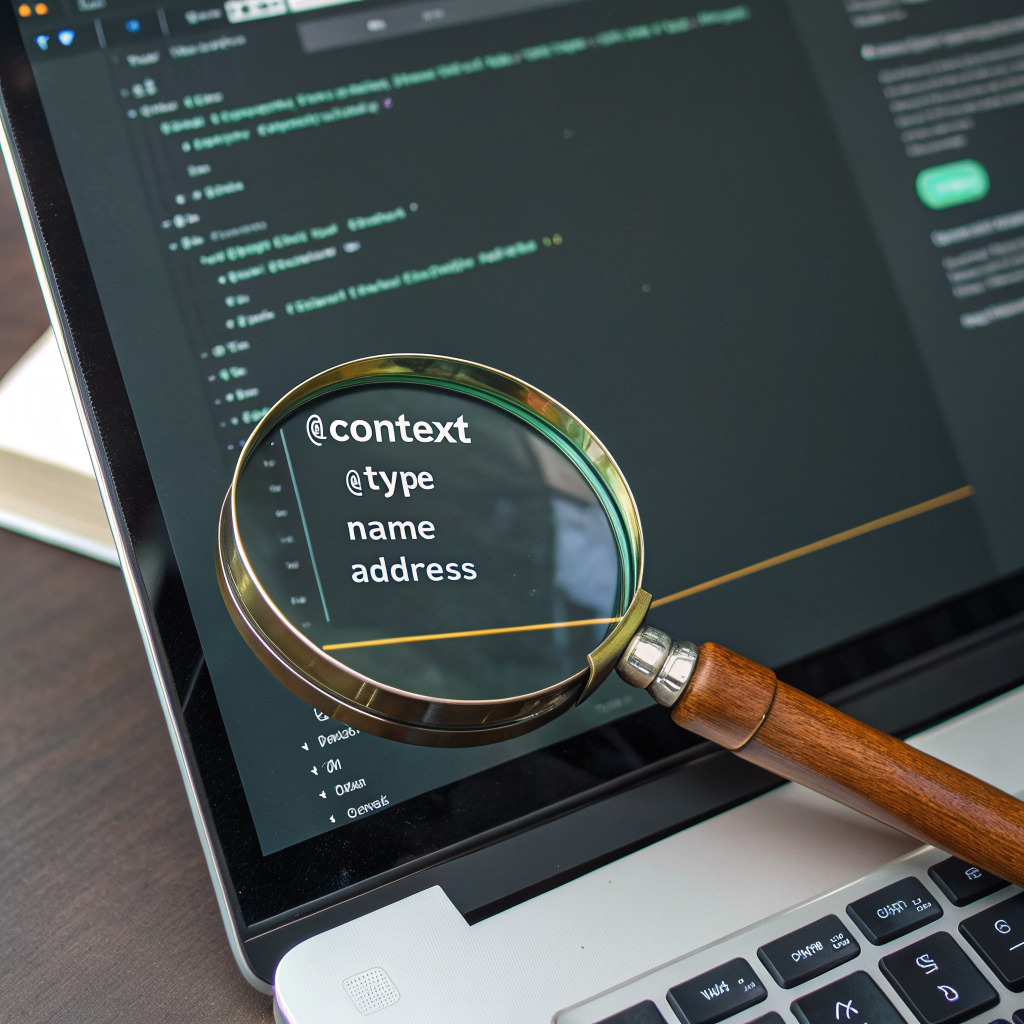
AI search isn’t just about keywords. It’s about context, intent, and the ability to surface precise answers. Structured data provides the context AI needs to understand your content.
The Role of Schema in AI Search
When a search model processes a query, it looks for entities and relationships. JSON‑LD schema tags explicitly label those entities – think Organization, Service, FAQ, and Review.
Key Schema Types for SaaS Companies
- Organization – defines your brand, logo, and contact details.
- SoftwareApplication – details pricing, platform, and feature list.
- FAQ – structures common questions and answers for featured snippets.
- Review – showcases customer sentiment, vital for trust signals.
Impact on Rankings and CTR
Pages with rich results see an average 27 % higher click‑through rate. Moreover, AI search engines prioritize schema‑rich pages in featured answers, driving both traffic and qualified leads.
Implementation Checklist
- Identify core pages (product, pricing, about, support).
- Generate JSON‑LD snippets for each page using the schema.org reference.
- Validate with Google’s Rich Results Test and fix any errors.
- Deploy via your CMS’s header/footer scripts or a dedicated plugin.
- Monitor impressions in Google Search Console’s Enhancements report.
Common Pitfalls to Avoid
- Duplicate schema on the same page – leads to confusion.
- Missing required fields – search engines will ignore the markup.
- Out‑of‑date information – stale data hurts credibility.
Next Steps for Your Business
Ready to turn schema into revenue? Get your detailed growth plan from our partners at LV Strategic Business Solutions and let data drive your AI search success.